

Running in the footsteps of Art Deco cities
Born out of the effervescence of the 1920s, Art Deco quickly became one of the symbols of modernity. Its geometric lines, stylised forms and penchant for refined materials soon adorned façades, theatres, hotels and skyscrapers far beyond Europe. But as it travelled from one continent to another, the movement evolved: tropical colours in Miami, Mediterranean influences in Tunis and Chinese motifs in Shanghai. For this new instalment of our ‘Running in the Footsteps of…’ series, JOOKS invites you to follow this architectural style around the world. Eight cities, six continents and just as many ways of reinventing the same architectural language.
Miami – Art Deco in the tropics
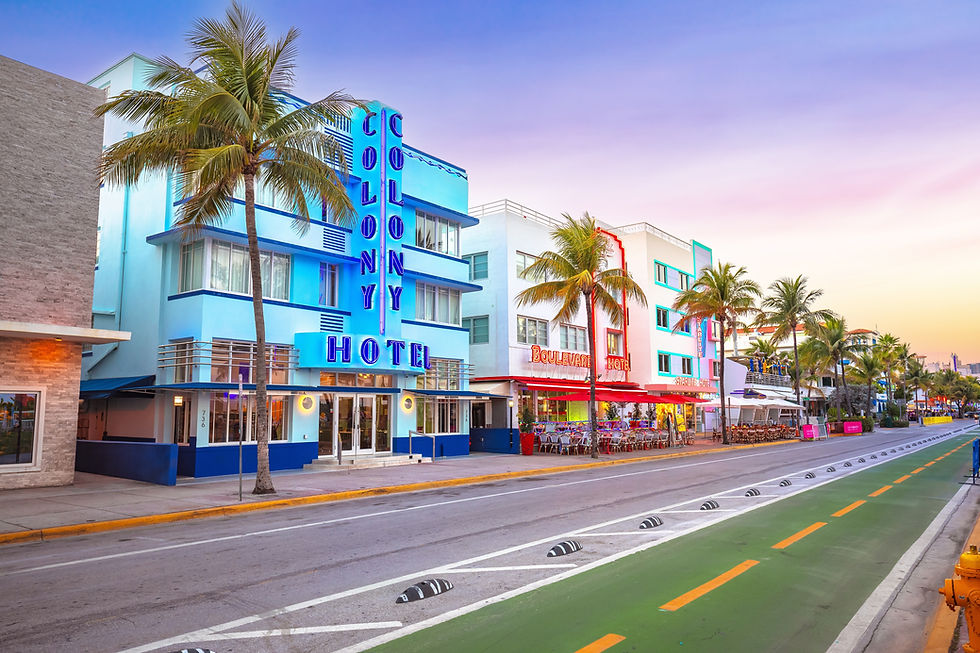
Created in the 1930s to revitalise the seaside resort following a violent hurricane, Miami Beach’s architecture gave rise to a unique style: Tropical Deco. In South Beach, the movement immediately takes on a holiday feel amidst the palm trees and the waves of the Atlantic. As you run along Ocean Drive, you’ll discover an impressive array of pastel-coloured façades in powder pink or mint blue, rounded balconies reminiscent of cruise ships, and iconic neon signs. The portholes, concrete caps and clean lines give this neighbourhood a vibrant and decidedly festive character. A visual and retro journey, where you literally run through a film set whilst soaking up Florida’s unique atmosphere.
Montevideo – Modernity, the Uruguayan way
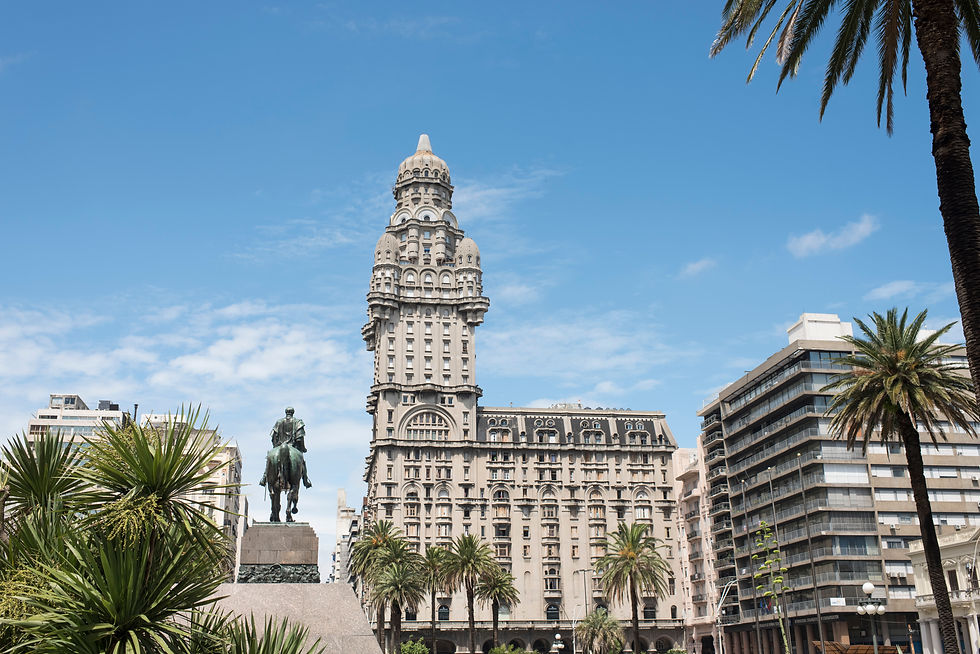
At the start of the 20th century, buoyed by exceptional economic prosperity, the Uruguayan capital developed a passion for modernity and the European avant-garde. It was during this golden age of the 1920s and 1930s that Art Deco took hold throughout the city, from the grand public buildings in the centre to the residential blocks in the neighbourhoods. As you wander through Montevideo, the walk turns into a veritable hunt for architectural details: intricately crafted ironwork, symmetrical gateways and zigzag patterns that suddenly appear as you round the corners of the grand boulevards. This aesthetic blends naturally with the city’s neoclassical and contemporary buildings. A captivating experience that reveals a city where every street bears witness to the creative effervescence of the interwar period.
Algiers – A modern city with a focus on the Mediterranean
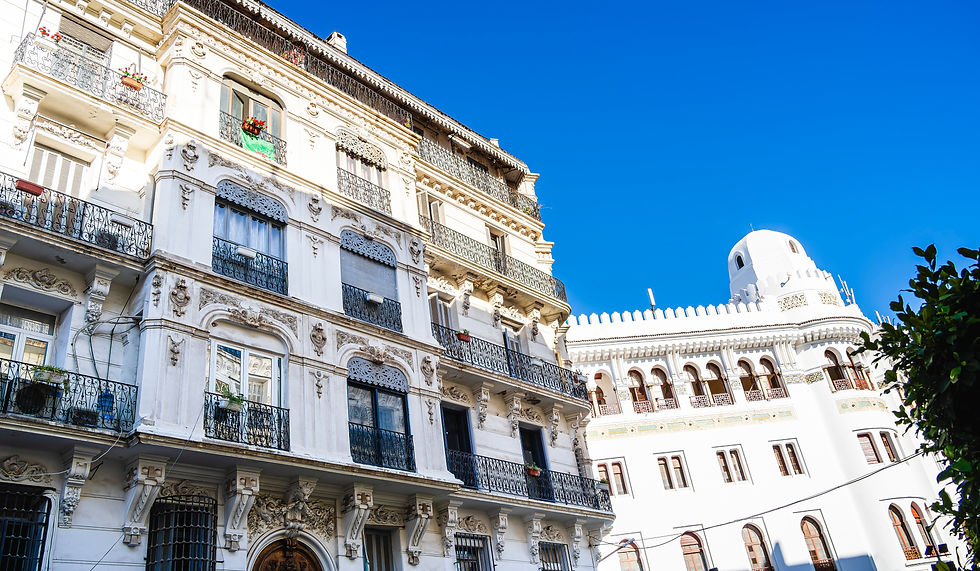
During the interwar period, the Algerian capital underwent significant urban transformation, which saw the emergence of a modern architectural style with a distinctly Mediterranean character. In Algiers, Art Deco moved away from excessive ornamentation in favour of imposing volumes, monumental façades and clean lines adapted to the bay’s topography. The immaculate white buildings feature large openwork balconies and trellises designed to capture the sea breeze whilst providing protection from the sun. With JOOKS, step into a bold architectural heritage where geometric precision blends with the light of the South. The tour offers spectacular views of the sea, revealing a city where architectural modernity is in constant dialogue with the seascape.
Tunis – Geometric shapes at the heart of the city
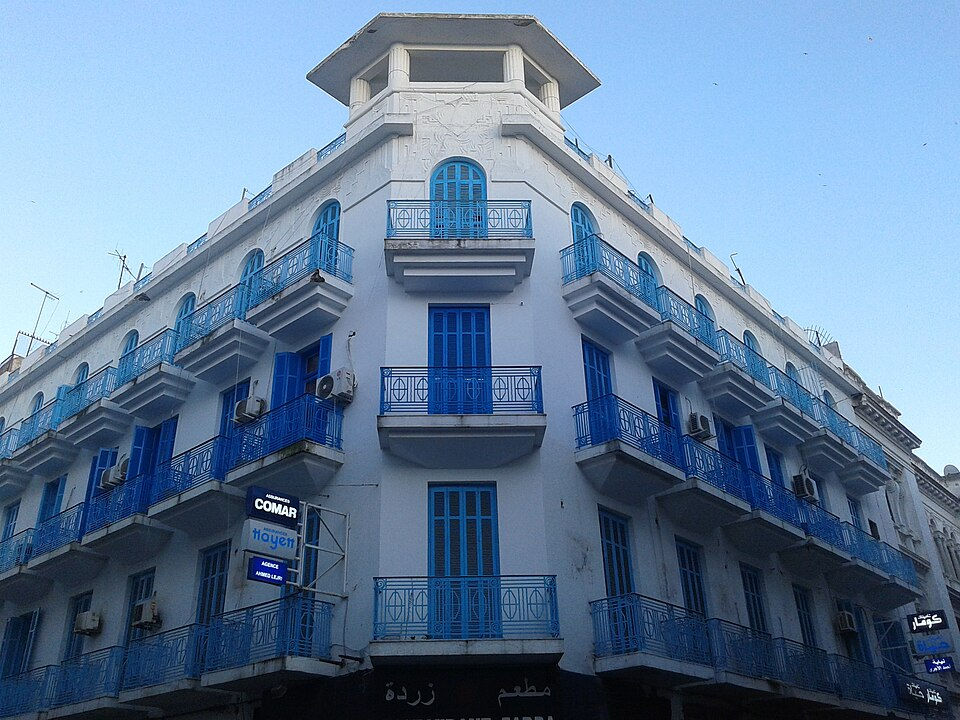
It was at the start of the 20th century, during the development of the new city outside the Medina, that Tunis enthusiastically embraced the major European architectural movements. Along the majestic Avenue Habib Bourguiba and the adjacent streets, Art Deco makes its mark with theatrical elegance. Major buildings such as the Great Synagogue, the Colosseum and the La Nationale building feature stylised bas-reliefs, intricate ironwork and striking symmetry. The JOOKS experience takes you to the heart of this captivating contrast, where modern geometric design sits alongside the Arab-Muslim heritage and Haussmannian influences. A lively urban journey full of discoveries, ideal for appreciating the cultural diversity and cosmopolitan charm of the Tunisian capital.
Shanghai – Where Art Deco meets China
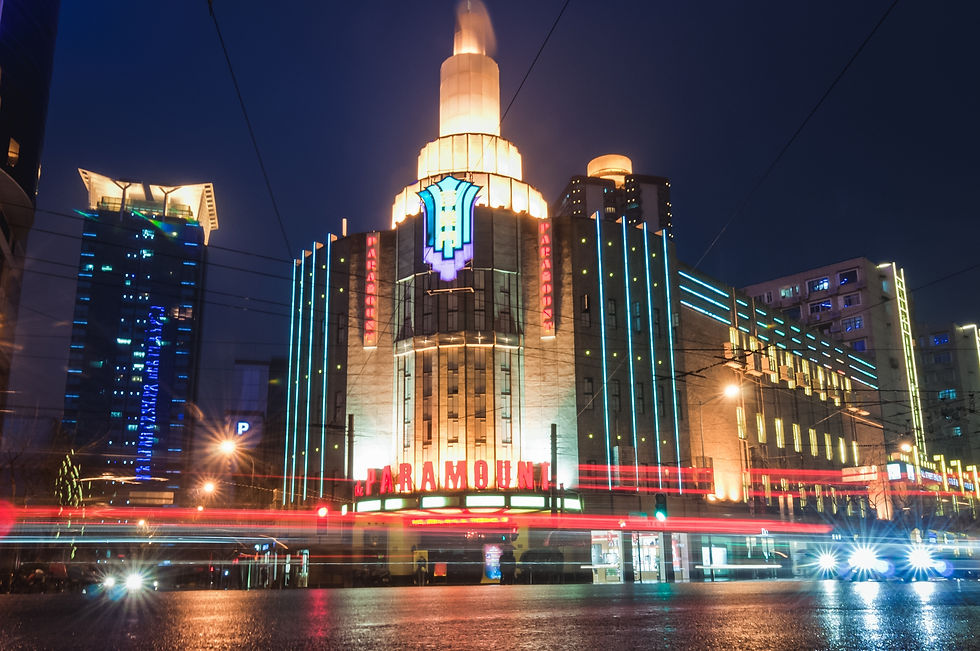
In the 1930s, Shanghai was Asia’s most cosmopolitan metropolis, a financial and cultural hub known as the ‘Paris of the East’. Along the Bund and in the former concessions, banks, theatres and grand hotels vied for height by adopting the International Style. But Shanghai’s true uniqueness lies in Chinese Deco, where local architects subtly incorporated traditional symbols of longevity, cloud motifs and stylised roofs into grand geometric buildings. As runners explore Shanghai with JOOKS, they are immersed in a striking contrast where the roaring past of the Roaring Twenties rubs shoulders with the dizzying future of the megacity, revealing a perfect synthesis of Western aesthetics and Eastern identity.
Perth – Art Deco Down Under
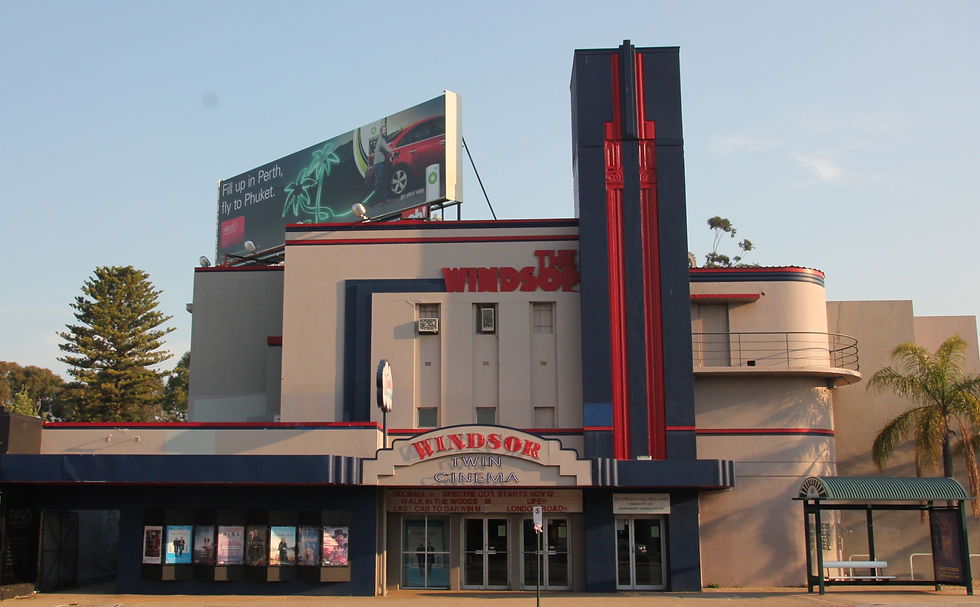
Thousands of kilometres from its European roots, the capital of Western Australia embraced Art Deco in the 1930s to showcase its economic success and its openness to the world. Less spectacular than in Miami or Shanghai, the style is expressed here with elegant restraint on the façades of theatres, vintage cinemas, shops and residential buildings in the city centre. The horizontal lines, simple geometric patterns and clean-lined forms bear witness to the dynamism of a rapidly expanding city. During a very pleasant urban run, JOOKS invites curious runners to look up and discover a little-known heritage, preserved at the ends of the earth, proving just how far this architectural movement has travelled across the oceans.
Brussels – Geometric elegance
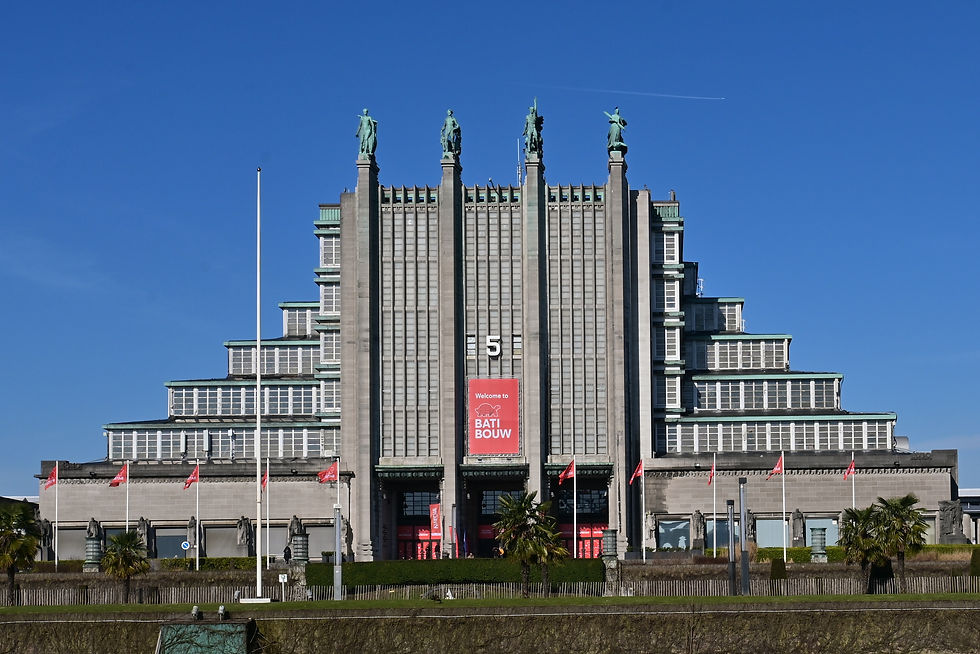
Regarded as the global birthplace of Art Nouveau and its organic curves, Brussels underwent a radical shift towards simplicity and geometry from the 1920s onwards. Brussels Art Deco is characterised by the use of brick and granite and a quest for monumentality, epitomised by Victor Horta’s Palace of Fine Arts (BOZAR) or the impressive Koekelberg Basilica. But as you wander through the residential neighbourhoods, you’ll also discover a more intimate and welcoming side to Art Deco. Mansion houses with stylised bow windows, façades featuring geometric stained-glass windows and wrought-iron details line the runners’ route. An elegant immersion that reveals how the Belgian capital managed to reinvent its urban landscape after the Great War.
Manila – A style that has become quintessentially Filipino
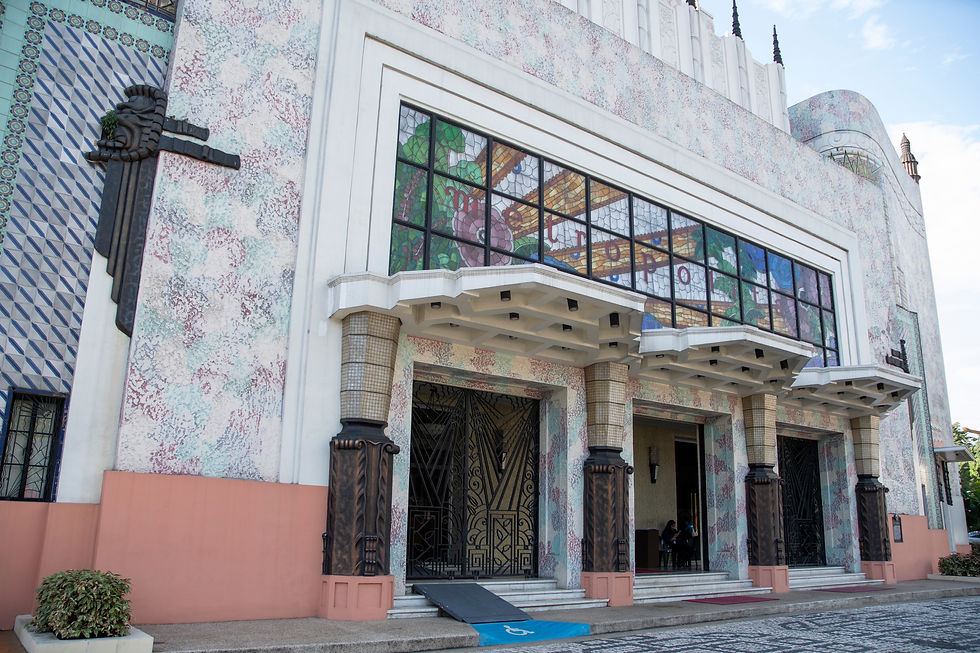
In the Philippines, the 1930s marked a period of cultural vibrancy and national self-assertion, driven by a new generation of architects trained abroad. Under the impetus of pioneers such as Juan Nakpil and Andrés Luna de San Pedro, Manila was adorned with majestic theatres, universities and public buildings featuring avant-garde designs. Adapted to the tropical climate through large windows, high ceilings and optimised ventilation, this hybrid Art Deco style has a distinct identity of its own. The Capitol Theatre and the buildings in the city centre bear witness to this architectural golden age. It is the perfect stop to round off this world tour on a high note, where the race brings the creative history of the Philippine capital back to life.
Find all these cities and over 500 other destinations on the JOOKS app!


this article beautifully captures how art deco adapted to different cultures. i especially appreciate the focus on local interpretations, like the tropical colors in miami and chinese motifs in shanghai. it's fascinating to see how a single architectural style can express such diverse identities while retaining its core geometric elegance. the idea of exploring these cities through running adds a dynamic, personal layer to experiencing the architecture. Math AI
Two-way radios can support communication between authorized employees responsible for coordinating deliveries and service appointments. Discount models may provide an affordable solution for small service companies that need regular contact between office staff and field personnel. Buyers should examine coverage requirements, battery capacity, sound quality, and compatibility with existing equipment. Choosing devices that match daily operating conditions can help employees share updates conveniently, organize schedules, and maintain https://discounttwo-wayradio.com communication while completing their assigned responsibilities.i like this post.
Sports analysts love breaking down player biomechanics, center of gravity, and shooting form down to the millimeter. Meanwhile, in Basket Random, your players have the structural integrity of a noodle and the jumping coordination of a wet paper bag
A commercial retractable roof offers a flexible solution for businesses seeking to create comfortable, adaptable, and functional outdoor spaces. This innovative roofing system allows property owners to open or close the roof according to weather conditions, sunlight, and operational needs. Restaurants, hotels, shopping centers, and entertainment venues can benefit from this versatility. By combining practical functionality with modern design, retractable roofing helps businesses improve customer experiences while making better use of available commercial space throughout https://cabriostructures.com/ different seasons and changing environmental conditions.I like this post.
Religious institutions often welcome visitors for services, community programs, celebrations, and educational activities. Security arrangements should protect attendees while respecting the welcoming character of the institution. Guards can monitor entrances, assist with parking, observe public areas, and communicate concerns to designated leaders. A professional security guard company develops procedures that reflect attendance patterns, facility layout, and community needs. Thoughtful planning supports orderly gatherings, protects shared property, and https://citysecurityservices.com helps staff and visitors participate in activities with greater confidence.I like this post.